
How to Choose the Right Size Coach for Your Group
Published 4th Feb 2026
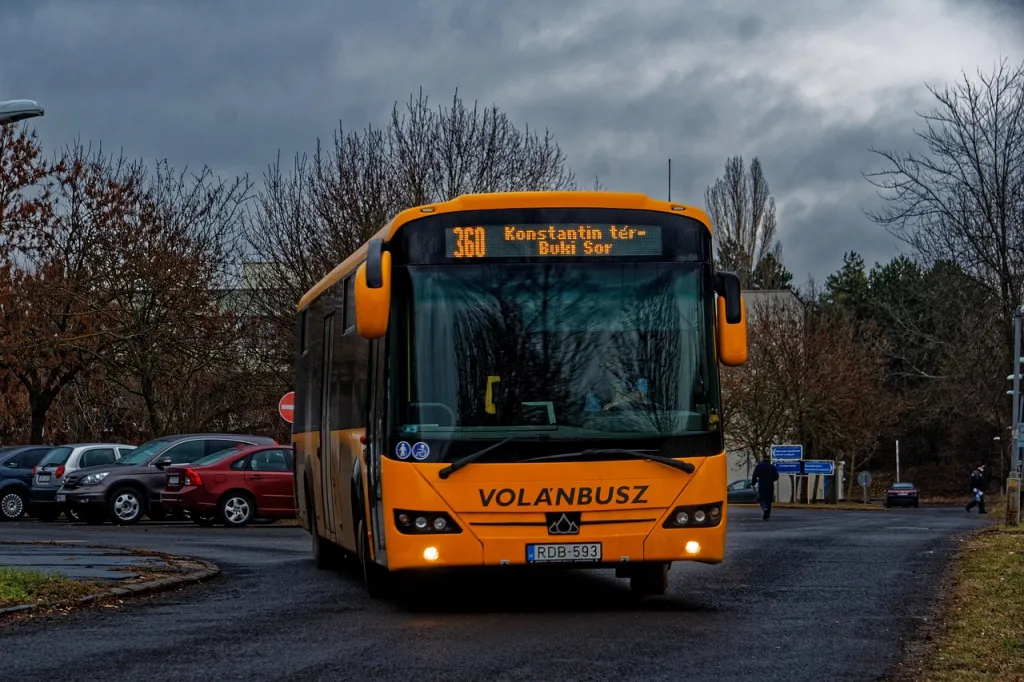
How to Choose the Right Size Coach for Your Group
People usually look for a coach size guide after something has already gone wrong, a cramped journey, luggage stacked in the aisle, or money wasted on seats that stayed empty all day. Getting the size right upfront avoids those problems entirely.
Good group transport isn’t about maximising seats. It’s about matching the vehicle to the people, the bags, and the distance being travelled. Once those three line up, everything else tends to fall into place.
Coach and Minibus Sizes You’ll See Across the UK
Any practical coach size guide starts with the vehicles actually used on UK roads. While seat numbers matter, how the vehicle behaves on a journey matters just as much.
Minibuses are commonly used for groups of 8 to 16. They’re quick to load, easier to route through towns and rural areas, and well suited to short or local trips.
Midi-coaches sit in the middle ground. With seating usually between the low 30s and low 50s, they’re a popular choice for schools, clubs, and day trips where a full-size coach feels unnecessary.
Standard coaches typically carry around 57 to 63 passengers. These are built for distance, offering more space, better suspension, and facilities that make long journeys more comfortable.
Executive coaches trade maximum capacity for comfort. Fewer seats, better interiors, quieter cabins, and onboard power are the priority here.
Large coaches, seating upwards of 70, are normally reserved for major events, sports teams, or large-scale group movements.
Why Vehicle Size Has More Impact Than People Expect
Using a coach size guide isn’t just about avoiding discomfort. Size decisions affect timing, cost, and even group mood.
Too small and tension builds quickly. Bags end up under feet, legroom disappears, and minor irritations escalate. Too large and you pay more than you need to, often without gaining anything useful in return.
Luggage is the detail most groups underestimate. Musical instruments, sports gear, suitcases, or mobility aids can change the right choice entirely. Routes matter too. Some locations simply aren’t suited to large coaches, regardless of group size.
Making these calls early prevents last-minute vehicle changes and awkward compromise
Passenger Numbers and Legal Limits Explained Simply
All coach size guides need to factor in UK regulations. Vehicles are classified by seating capacity, and that classification affects licensing and insurance.
Minibuses usually cover up to 16 passenger seats. Anything above that moves into coach territory, with stricter driver requirements.
Coaches typically start around 30 seats and scale upward depending on design and purpose. Executive vehicles may seat fewer people deliberately to allow extra comfort.
Passenger counts should always include children, and accessibility seating can reduce usable capacity. These details matter more than many people realise.
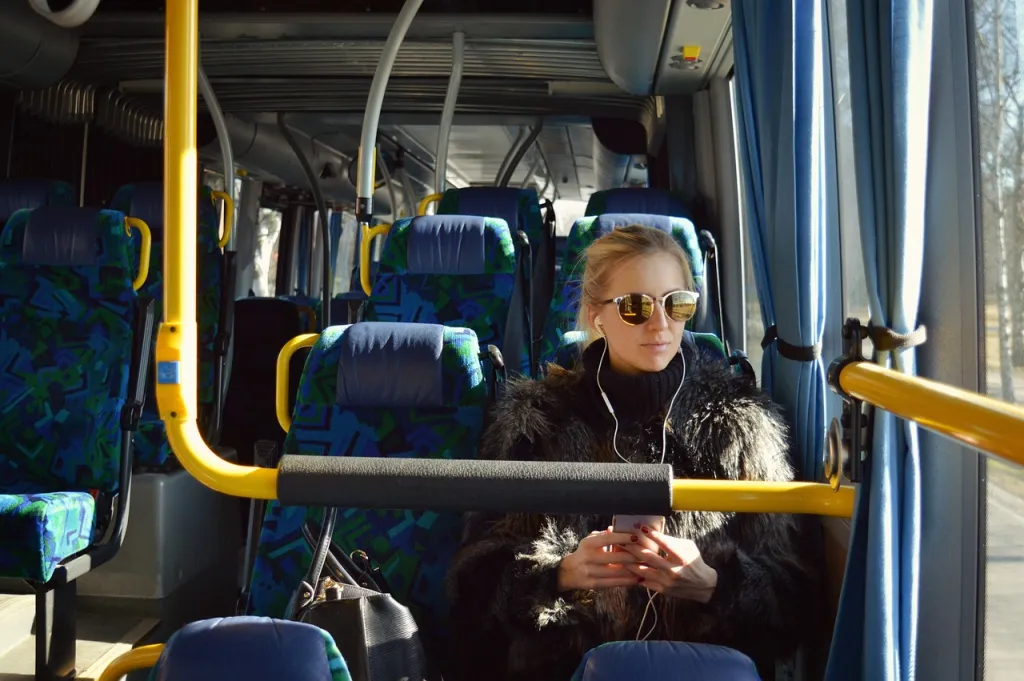
Comfort and Safety, What Changes as Vehicles Get Bigger
One of the more useful group transport booking tips is to think in hours, not miles. Comfort differences become obvious once a journey runs beyond a couple of hours.
Minibuses handle short trips well. Seat belts, air conditioning, and basic luggage space usually cover what’s needed.
Coaches add reclining seats, toilets, overhead storage, and smoother handling, which makes a noticeable difference over longer distances.
Executive coaches go further with quieter interiors, charging points, and upgraded seating. All vehicles must meet safety standards, but comfort levels vary significantly.
Regulations That Influence What You Can Book
Some group transport booking tips can be found by speaking to an operator. Driver licensing, speed limiters, and insurance rules all affect which vehicle can be supplied.
Drivers licensed after 1997 need additional permissions for larger minibuses. Coaches require fully qualified professional drivers.
These aren’t things you should need to manage yourself, but confirming them avoids surprises and protects your booking.
Matching Vehicle Size to Trip Type
Small social outings and local journeys usually work best in a 16-seater minibus. Corporate or formal travel often benefits from executive coaches, even with spare seats.
School trips and club travel tend to suit midi-coaches, while large events and sports teams are usually best kept together in a full-size coach.
Pickup locations, luggage volume, and access restrictions should always be part of the decision.
Mistakes Groups Commonly Make
A lot of group transport booking tips you should know can come from experiences with group transport.
Overestimating group size leads to wasted budget. Underestimating luggage causes discomfort. Splitting groups across vehicles complicates timing. Ignoring access restrictions creates delays.
Most of these issues are avoidable with clearer planning at the start.
Finding a Reliable Hire Company
Beyond the coach size, the operator matters. Vehicle condition, driver experience, and communication make a bigger difference than glossy brochures.
SMC Coach Hire works with groups across the UK, helping match the right vehicle to the journey rather than forcing a standard option. With years of experience, SMC coach hire will ensure you are matched with the perfect vehicle and a professional driver, to make the process as seamless as possible.
Booking the Right Vehicle Without Stress
A few solid group transport booking tips to simplify the process:
Finalise passenger numbers early
Be realistic about luggage
Ask practical questions about comfort and access
Compare quotes using the same itinerary details
Booking ahead improves choice, especially during busy periods.
Choosing the Right Size with Confidence
A good coach size guide won’t overcomplicate things, it will match the vehicle to the people, the bags, and the distance, then the journey usually takes care of itself.
SMC Coach Hire supports groups across the UK with straightforward advice and vehicles that fit the job properly.
If you’re planning a group journey and want clear, practical guidance, speak with the team to talk through your route and requirements.